Submissions are now open for our second Drawing Open Exhibition, DRAW26, and we again are opening the discussion of ‘what is drawing?’
On Thursday 15th January 2026, we will be exploring the topic of drawing further with a talk and panel discussion as the first event of our 2026 Conversation With The Artist programme. More information on the event and artists involved can be found here: ‘What Is Drawing?’ Conversation With The Artist
Below you can find insight into drawing which may help with your applications to DRAW26.


Traditionally, drawing is considered to be fine, graphite work – studies from life, and figurative works. DRAW 25 was created to challenge this and highlight the many forms that drawing can take, from playing with colour, materials and surfaces to exploring less traditional subjects.
Our only requirement for DRAW26 is that all submissions were original works and not print reproductions.
Drawing serves as the foundation for most artforms and for many artists, it is a language of understanding, a way to visualise a concept before execution; it is something universal with very little barriers.
‘The Artist defines what a ‘drawing’ is.’ – Tim Mann, Artist / Creative Director of Blackfield Creatives.
Exploring ideas through drawing allows an artist to focus and react to their surroundings – a great example of this is study work. Working from life creates direct reactions to your environment, and this becomes a very grounding and vulnerable act. Drawing, or working in a sketchbook, tends to be something that artists protect, it is a ‘safe space’ to make mistakes, explore new thoughts and concepts, and meditate on what you can see or feel.
If you were to seek a definition of drawing, you will find references to mark making, physical and tangible work, using pencil on paper, or a technical skill. We would argue that there is so much more to drawing – for example, if shapes are drawn into the sand on a beach, you have made a tangible artwork, but when the tide comes in those shapes are no longer visible, but they still existed.
The discussion around ‘What Is Drawing?’ has led to many other conversations about ‘What Is Art?’ or what actually constitutes an image. Writing could be used to create an image, with the process of making marks to form letters; body movements or leaving your impression on a space leaves a mark and could create ‘drawn’ images. The list of possibilities is endless.
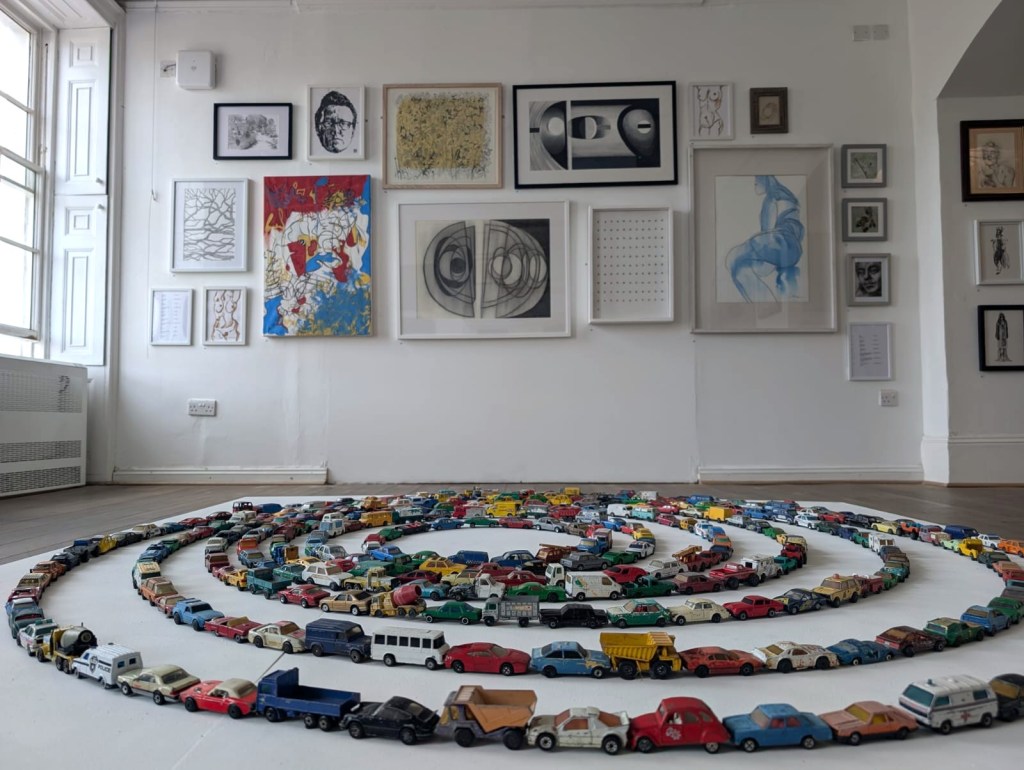
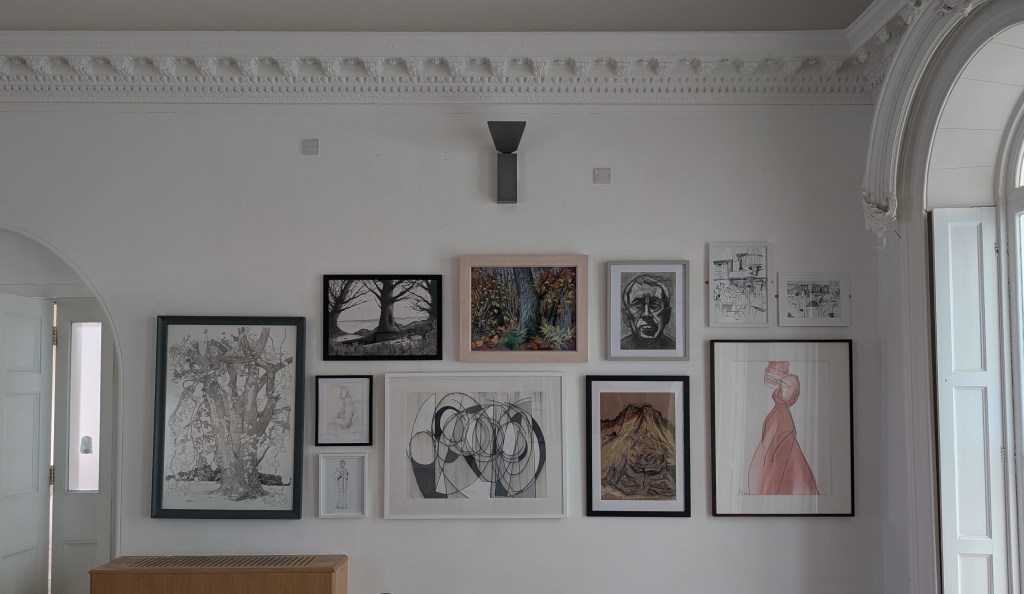
Wisbech Gallery’s DRAW hopes to offer you a glimpse into those possibilities and get you thinking about how it relates to your own creative practice.
Do you agree with more traditional definitions, or do you like to push the limits of mark making? Leave us a comment sharing your thoughts on drawing and the many forms it may take to keep the conversation going.
Remember submissions are open until midnight on Saturday 31st January 2026! More information on the application process and full terms and conditions can be found on our website.
 blackfieldcreatives.com